
REVIEW · BUDAPEST · BUDAPEST FILM LOCATION TOURS
Cinematic Virtual Reality City Tour in a Russian Jeep
History gets a moving seat. This private Budapest tour pairs a characterful Russian Jeep with 2D cinematic VR films that show how famous places looked in earlier times. I like the unusual mix of old-fashioned transport and modern technology, and I like that hotel pickup, bottled water, a private guide, and drop-off are included. The main drawback is pace: with many short stops, you see a lot, but several places receive only a quick look.
The advertised price of $3 makes this look like an exceptional bargain, though you should confirm the current total and what the price applies to before booking. The route is family-friendly and private, but VR is not recommended for people with epilepsy, and entry to Matthias Church costs extra.
Key points to know before you book
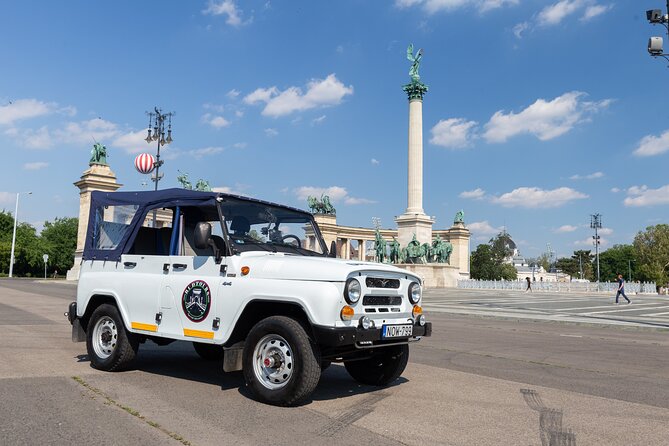
- A Russian UAZ-style Jeep is part of the attraction, not just a way to get from one sight to another.
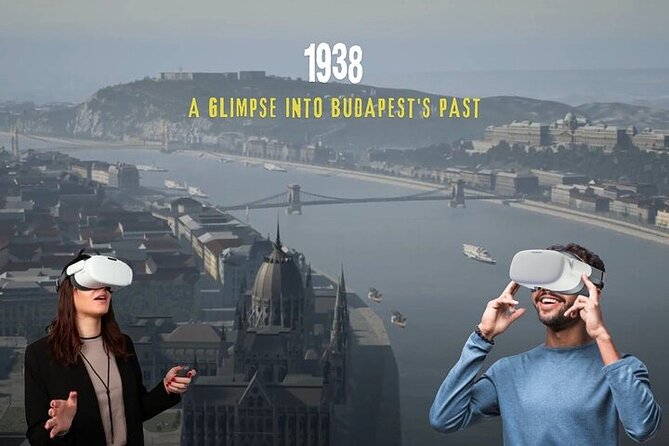
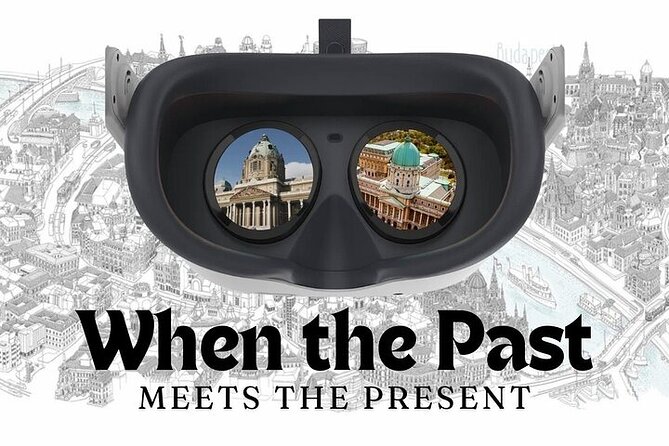
- VR films appear at selected landmarks, using historical scenes to show how Budapest looked in earlier periods.
- The route crosses both Buda and Pest, with Castle Hill, the Danube, Andrássy Avenue, Heroes’ Square, and central squares included.
- Hotel pickup and drop-off are included, along with private transport, an English-speaking guide, bottled water, and hot tea in winter.
- The tour is private, so only your own group takes part.
- Several stops are brief, making this best for orientation and atmosphere rather than long museum visits.
Why the Russian Jeep changes the feel of Budapest sightseeing
The vehicle gives this outing its personality. The Russian Jeep, identified in the feedback as a UAZ, is part of the memory-making appeal. One person connected it with childhood memories of a grandfather’s vehicle, which tells you something useful: the transport may matter almost as much as the sightseeing.
You are not simply riding in a standard minibus. The Jeep adds a slightly retro, playful quality to a city tour that could otherwise feel like a standard circuit of monuments. It also makes sense for a private group that wants something different from a walking tour or a large coach.
The driver is an important part of the experience. Zsombor is described as attentive, funny, and willing to answer questions, while the wider feedback gives the drivers credit for showing beautiful parts of the city and even taking passengers home. That personal contact matters because the route covers a lot of ground in about two hours.
Still, keep your expectations sensible. This is not a slow, detailed architectural tour. You will often pause, watch a short historical film, take in the view, and move on. I would use it early in a Budapest visit, when you want to understand the city’s layout and choose places to return to later.
A few more filming locations around the world worth a look
- From London: Harry Potter Warner Bros Studio Tour
★ 4.7 · 26,588 reviews - Magical London: Harry Potter Guided Walking Tour
★ 4.7 · 22,044 reviews - London: Warner Bros. Studio Harry Potter Tour & Branded Bus
★ 4.7 · 19,194 reviews
Castle Garden and Chain Bridge: a strong opening on the Buda side
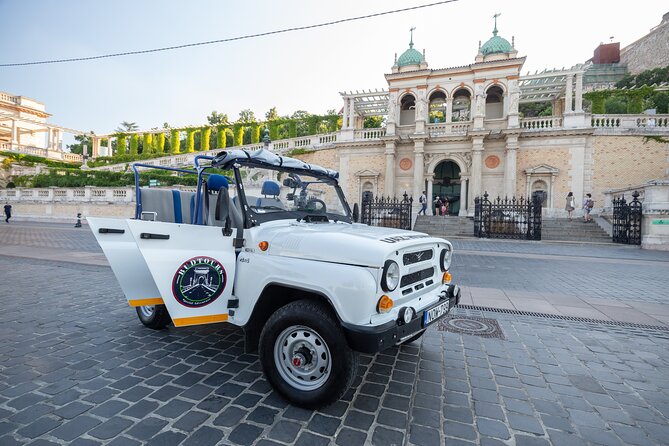
The first stop is the Castle Garden Bazaar, a Neo-Renaissance complex below Buda Castle. Its restored buildings and terraces form a handsome introduction to Castle Hill. The stop is listed at about three minutes, so you should expect a quick orientation rather than time for exhibitions or a long walk.
The site now hosts cultural events, including exhibitions, concerts, and dance performances. The tour’s value here comes from seeing the building in person and using the VR material to connect the present-day setting with earlier Budapest.
Next comes the lion statue at the Széchenyi Chain Bridge. The bridge links Buda and Pest across the Danube and is one of the city’s most recognizable sights. It was named for Count István Széchenyi, a major supporter of its construction, and it represented impressive engineering in its day.
The five-minute stop should give you enough time to appreciate the setting and watch the VR sequence about the bridge’s past. This is one of the better matches between place and technology. A bridge that has witnessed war, rebuilding, and changing city life gains extra force when you can see older scenes while standing beside it.
The limitation is obvious: a short stop cannot replace a full walk across the bridge. If you want photographs from the roadway or a quiet look at the Danube, you may need to return on your own.
Fisherman’s Bastion and Matthias Church on Castle Hill
Fisherman’s Bastion gets around 15 minutes, which is more generous than the opening stops. The terraces offer some of Budapest’s finest views, with the Danube and Pest spread out below. The white towers look medieval, but the structure was built in the early 20th century for Hungary’s millennium celebrations.
That contrast is worth remembering. Fisherman’s Bastion is designed to look older than it is, so the VR presentation can help explain the difference between the monument’s appearance and its actual date. The lower level is free, while the upper level requires admission. Since the tour description notes only the upper section as paid, ask your guide what your visit will include if the view from the higher terraces matters to you.
Matthias Church receives about 15 minutes. It is one of Budapest’s most unusual churches, with an interior shaped by oriental influences, romantic historicism, and Neo-Gothic design. Its colorful details make it more than a quick exterior photo stop.
Admission is not included here. That extra cost is easy to overlook, so budget for it if entering the church is important to you. If you choose not to pay, the surrounding Castle Quarter still gives you plenty to see, but the church’s interior is the main reason to visit.
Buda Castle and the value of seeing the past
Buda Castle crowns Castle Hill and forms the center of the Castle Quarter. The area combines medieval, Baroque, and Neoclassical buildings, along with old houses and churches. It is also part of Budapest’s UNESCO World Heritage setting.
The VR component is especially useful at a place like this. A palace complex can be hard to read when you see only its current buildings and courtyards. Historical film can show earlier versions of the castle and help you picture how the royal center changed over time.
Do not expect a full palace tour. The listed route treats Buda Castle as a major area rather than a long indoor visit, and the overall two-hour limit keeps the group moving. I see this as a clever introduction for first-time visitors, not a substitute for spending half a day around Castle Hill.
The private format helps here. Your guide can answer questions as you go, and your group does not have to match the pace of strangers. That is useful for families, couples, or small groups with mixed interests.
Same place, a completely different screen:
- Edinburgh: Harry Potter Magical Guided Walking Tour
★ 4.8 · 11,944 reviews - London: Warner Bros. Studio Harry Potter Tour with Transfers
★ 4.6 · 9,709 reviews - Hobbiton Movie Set: Guided Tour Ticket
★ 4.9 · 8,167 reviews - Los Angeles: Warner Bros. Studio Tour Hollywood
★ 4.6 · 7,191 reviews
Parliament and the Danube: grand architecture from the road
The route passes the Hungarian Parliament Building on Kossuth Square, along the Danube in Pest. Its Neo-Gothic design, enormous scale, and position beside the river make it one of Budapest’s essential sights.
The stop is listed at about five minutes and admission is not included. In practical terms, this means you will view the building from outside or from the vehicle route rather than take a parliamentary interior visit. That is fine for a first look, especially if you plan to return for photographs or a separate guided entry.
The building has been Hungary’s largest since construction and houses the National Assembly. The VR film can add a sense of time to an exterior that many people simply photograph and leave. Still, do not book this tour expecting entry to Parliament.
The route also includes St. Stephen’s Basilica, named for Hungary’s first king. It is the third largest church in Hungary and the tallest church in Budapest, with World Heritage recognition. The supplied schedule does not assign it a separate stop length or admission detail, so treat it as a passing or brief viewing point rather than a guaranteed interior visit.
Andrássy Avenue and the Opera House
Andrássy Avenue is one of Budapest’s grandest streets. Neo-Renaissance buildings line the boulevard, and the route passes boutiques, cafés, restaurants, the State Opera House, the Zoltán Kodály Memorial Museum, the Hungarian University of Fine Arts, and the Ferenc Hopp Museum of East Asian Arts.
The 15-minute stop gives you a little time to take in the avenue as a whole. I like this part because it shows Budapest as a living city rather than a string of isolated monuments. You see how grand architecture, shops, culture, and daily movement share the same street.
The Hungarian State Opera House receives about five minutes. Its exterior has a symmetrical Neo-Renaissance design with composer statues, while the interior features marble sphinxes, frescoes, and gold decoration. The VR sequence aims to show the Opera House during its golden age, which is a good use of the format.
Admission is not included, so this is not an Opera House performance or interior tour. Five minutes is enough to appreciate the outside and understand why the building matters, but not enough to study its decorative details. If opera or historic interiors are high on your list, plan a separate visit.
The route also passes the House of Terror at 60 Andrássy Avenue. This museum examines Hungary’s fascist and communist periods and memorializes people imprisoned, interrogated, tortured, or killed in the building. It is a serious subject, and the short pass-by should not be mistaken for a visit. The museum deserves separate time if you want to understand that part of the country’s 20th-century story.
Heroes’ Square, City Park, and the city beyond the monuments
Heroes’ Square marks the end of Andrássy Avenue beside City Park. Its Millennium Monument includes figures representing important Hungarian leaders and the Seven Chieftains of the Magyars. The open layout makes it easy to understand why this is one of Budapest’s best-known public spaces.
The stop lasts about 15 minutes and does not require admission. That gives you time to look across the square, take photographs, and watch the VR material without feeling rushed. It is one of the more generous pauses on the route.
The vehicle also passes New York Palace, known for its ornate café. The café has been named café of the year several times, but this tour does not include a café visit. If you want coffee or cake there, plan another stop later.
Blaha Lujza Square, Ferenciek Square, and the lost bridges
Blaha Lujza Square is now a busy central junction, but it once held the National Theatre. The VR segment changes the way you read the present-day square by showing the building that used to dominate it.
This is exactly where the technology earns its place. Modern traffic and urban development can erase the older shape of a city. A short film can restore that missing context more clearly than a plaque or a spoken explanation.
Ferenciek Square brings another look at Budapest’s older grandeur. The area includes the Paris Garden, a noted hotel café, and Klotild Palace, once associated with the royal family. The VR presentation shows the square in an earlier period, giving you a stronger sense of how its buildings related to one another.
The final historical feature is the old Erzsébet Bridge. Built between 1898 and 1903, it held a world record in its category for 25 years and a Danube record for 70 years. It was Budapest’s pride until 1945. Seeing the former bridge through VR gives meaning to a structure that no longer appears in its original form.
What the two-hour format really delivers
The route covers a surprising amount of ground in roughly two hours. You move from Buda Castle and the Chain Bridge to Parliament, Andrássy Avenue, Heroes’ Square, and central Pest. Hotel pickup and drop-off make that coverage more useful, especially if you are staying outside the immediate center.
The private format is another clear benefit. Only your group participates, so the guide can respond to your questions and adjust the mood for children or adults. The English-speaking guide provides historical background in person, while the VR headset supplies the visual element.
Bottled water is included, and hot tea is provided in winter. Those are small details, but they make a difference when you are moving between outdoor stops.
The main compromise is depth. Several points last only five minutes, and some are pass-by locations. The VR videos are described as 2D cinematic films, not fully interactive virtual worlds, so you should expect short historical presentations rather than a game or elaborate simulation.
The headset may not suit everyone. People with epilepsy are advised not to take the tour. Most people can participate, and service animals are allowed. If anyone in your group is sensitive to headsets, ask about the viewing setup before booking.
Is the $3 price good value?
At the advertised $3, this looks like remarkable value for private transport, pickup and drop-off, a guide, water, winter tea, and VR equipment. But the price is low enough that I would confirm the final charge and booking conditions before making plans. Prices can depend on date, group size, or current availability, and the supplied information does not explain that figure.
The more useful way to judge value is by what you want from Budapest. If you want a fast overview with unusual transport and visual history, the package offers a lot. If you want long visits inside churches, museums, Parliament, or the Opera House, you will need additional plans and admission money.
Free cancellation is available when you cancel at least 24 hours before the start time. Cancellations within 24 hours are not refunded, and late changes are not accepted.
Who should book this Budapest Jeep and VR tour?
I would recommend it to first-time visitors who want to cover both sides of the Danube without committing to a long walking route. Families may like the short films and the novelty of the Jeep, while couples and small groups may appreciate having a private guide.
It also suits people who enjoy seeing how cities changed. The lost National Theatre, old Erzsébet Bridge, historic Chain Bridge, and earlier views of Budapest give the tour a clear theme.
I would be more cautious if you prefer slow sightseeing. The route can introduce many places, but it cannot give each one the attention it deserves. Mobility needs are also not fully described, so ask the provider if you need specific vehicle or boarding arrangements.
FAQ
How long is the Cinematic Virtual Reality City Tour?
The tour lasts approximately two hours.
Is the tour private?
Yes. Only your own group participates in this activity.
Is hotel pickup included?
Yes. Hotel pickup and drop-off are included.
What transport is used?
The experience uses a Russian Jeep, identified in the available details as a UAZ-style vehicle.
Is a guide included?
Yes. The package includes an informative private guide and an in-person English guide.
What is included besides transport and guiding?
Bottled water is included, and hot tea is provided during winter. Virtual Reality equipment is also included.
Is admission to Matthias Church included?
No. Entry to Matthias Church is not included in the price.
Can I cancel for a full refund?
Yes, if you cancel at least 24 hours before the experience begins. Cancellations within 24 hours are not refunded.
Should you book it?
Book this tour if you want a playful, private introduction to Budapest, especially one that combines a memorable vehicle with short historical films. The strongest parts are the personal driver, the broad route, and the way VR gives vanished buildings and older city scenes a visible shape.
Skip it if your priority is extended time inside museums, churches, Parliament, or the Opera House. For most first-time visitors, I would place it near the start of a Budapest stay, then return later to the places that caught your attention.
Just added around the world
- Skopelos Island: Mamma Mia Filming Locations Tour★ 4.9 · 32 reviews
- Zion: Harry Potter-Inspired Zion Ghost Tour with Sunset View★ 5.0 · 8 reviews
- York: Game of Thrones Walking Tour★ 5.0 · 2 reviews
- Wellington: Lord of the Rings Filming Locations Tour★ 4.0 · 6 reviews
- Wellington: Half-Day Lord of the Rings Locations Tour★ 4.8 · 10 reviews
- Volcano Movie – Experience the Latest Eruptions in Iceland★ 3.6 · 3 reviews
- Wellington: Lord of the Rings Half-Day Guided Tour inc Weta★ 5.0 · 5 reviews
- Virtual reality movie – experience I AM LITHUANIA★ 4.4 · 5 reviews
Budapest Film Location Tours, compared.
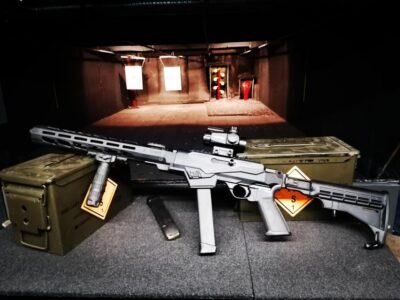


Travelling Galaxy Star Wars Interactive Exhibition
Read our review →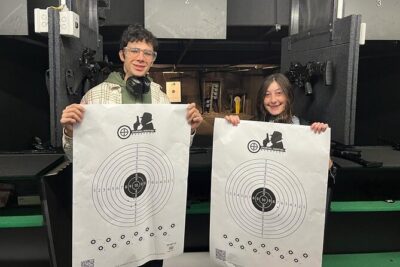
Shooting Experience HOLLYWOOD Package in Budapest
Read our review →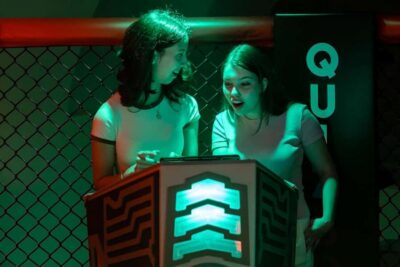
Leonoria Quizboxing- TV show-style team event in Budapest
Read our review →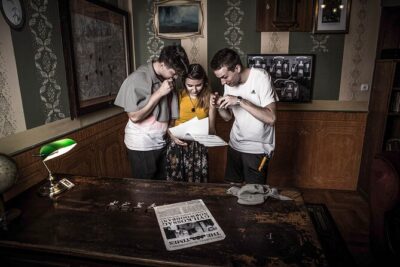
Be a movie star! Film Tour, Escape room, in Budapest and Etyek
Read our review →Lists this tour appears in