
REVIEW · CATALONIA · MUSEUMS
Girona: Museum of Cinema Entry Ticket
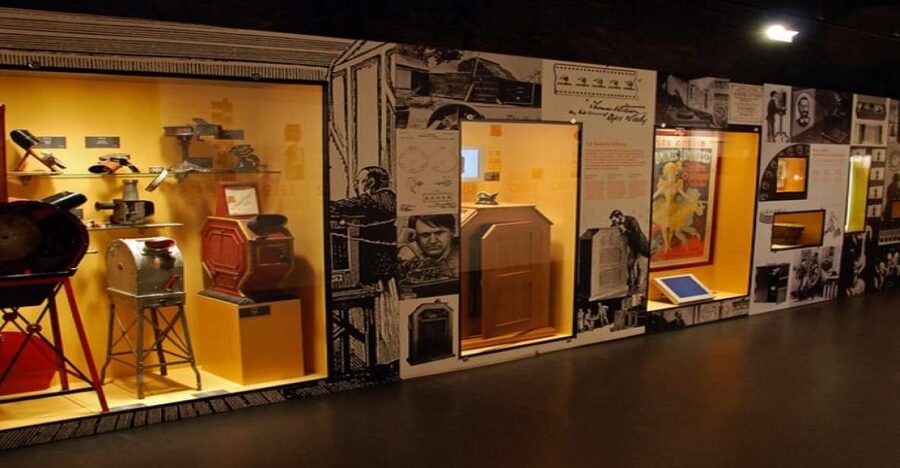
Cinema began long before film reels. Girona’s Museum of Cinema traces that story across almost 500 years, from early image-making devices to the invention of the cinematograph in 1895. For $8, you get access to the permanent and temporary exhibitions, a printed guide in four languages, and a free online audioguide.
I especially like the Tomàs Mallol Collection, with its unusual pre-cinema objects, and the museum’s interactive approach, which gives children something to do instead of asking them to stare at long panels. The main thing to consider is that the audioguide is web-based, and one person had trouble getting it to work, so your visit may be better with a little preparation.
Key things to know before you go
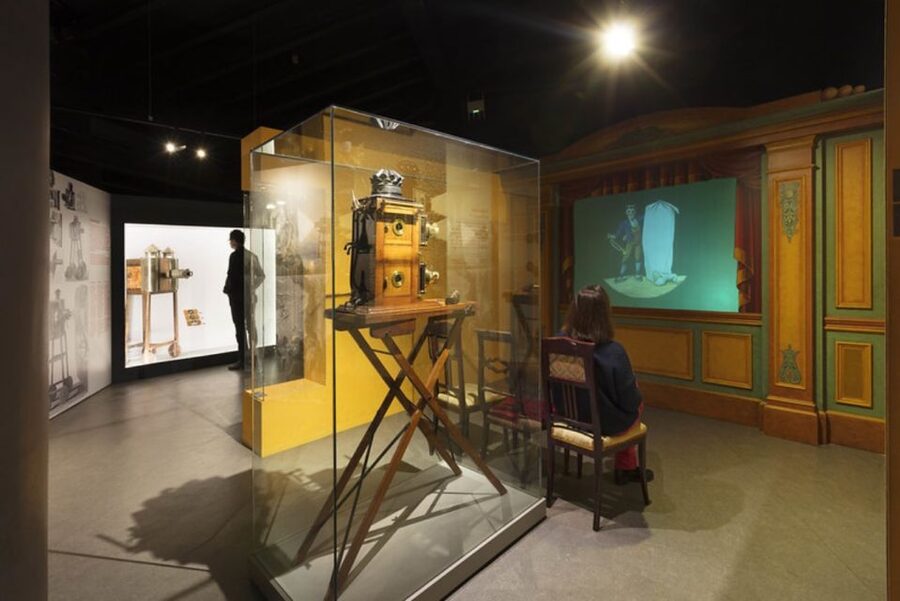
- Nearly 8,000 objects explain pre-cinema: The collection shows how people created, projected, and enjoyed moving images before modern movies existed.
- The Tomàs Mallol Collection is the heart of the museum: It includes cinematographic and pre-cinematographic devices gathered by the Catalan filmmaker and collector Tomàs Mallol.
- The visit works well for families: Interactive areas helped an eight-year-old enjoy the museum, not just tolerate it.
- You can follow the story in four languages: Informative material is available in English, French, Catalan, and Spanish.
- A free audioguide adds context: It is accessed online through the Visitmuseum website and may give more detail than the display panels.
- Check free-entry dates before paying: The first Sunday of the month may be free, so confirm the museum’s current policy before booking a paid ticket.
From Girona’s waterworks to the history of cinema
The museum occupies the former headquarters of Girona’s water company, a late nineteenth-century building known as the House of Waters. That setting gives the visit a useful sense of place. You are not entering a modern entertainment complex built only for a quick film-themed stop. You are visiting a permanent, non-profit cultural institution in an adapted historic building.
The museum began with Girona’s purchase of the Tomàs Mallol Collection on January 28, 1994. Since then, it has developed into a public center devoted to the history of moving images and visual shows.
That mission matters because this is not simply a display of old cameras. The museum explains the chain of ideas and inventions that led to cinema. You see how people represented images before film, how they made pictures appear to move, and how technical changes eventually produced the cinematograph.
I find that approach more useful than a museum that begins with famous movie posters and stops there. It answers the basic question behind the experience: How did cinema become possible?
More film museums and exhibitions around Spain:
- Split: Game of Thrones Museum Entrance Ticket
★ 3.8 · 385 reviews - Star Wars story Museum Ticket Pass
★ 5.0 · 249 reviews - Turin: Cinema Museum and Bus Tour
★ 4.4 · 200 reviews
The first part of the visit: images before cinema
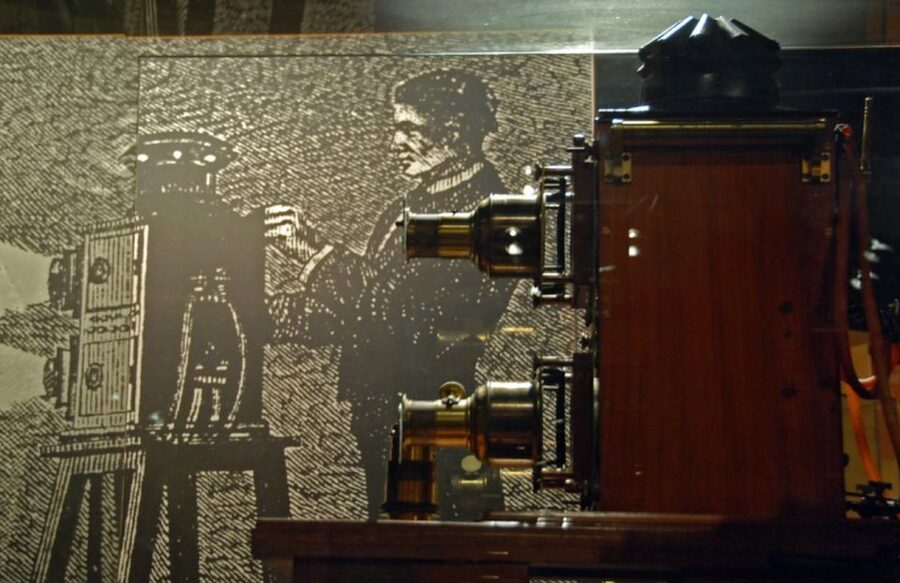
The museum’s story reaches back roughly 500 years, before the word cinema had any practical meaning. The early part of the collection focuses on devices and methods that made images appear, change, or move in ways that surprised the eye.
The supplied information does not provide a room-by-room map, so you should not expect a fixed tour route with named stops. Instead, plan on following the museum’s historical progression from pre-cinematic image-making toward projected film.
This is where the collection’s size becomes meaningful. Nearly 8,000 pre-cinematographic objects give the museum plenty of material to show the long period of experimentation before 1895. You might find yourself looking at devices whose purpose is not immediately obvious. That is part of the appeal. The museum helps connect each object to the larger story of how people learned to create the illusion of movement.
The displays are especially helpful for anyone who thinks cinema appeared suddenly with the first film cameras. The museum makes clear that cinema grew out of earlier visual technology. Long before a movie theater, people were already fascinated by shadows, projections, optical effects, and the possibility of making still images seem alive.
For adults, this section provides the historical backbone of the visit. For children, the unusual machines and visual effects can provide a more direct way into the subject. The museum has activities for family groups and adult groups, so the experience is not limited to one age range.
The Tomàs Mallol Collection and the road to 1895
The Tomàs Mallol Collection is the museum’s central attraction. It contains cinematographic and pre-cinematographic devices, along with objects that help explain how visual entertainment developed.
The collection is valuable because it covers both the familiar and the forgotten. Most people recognize the broad idea of a film projector or camera, but fewer know about the many devices that came before them. Seeing these objects together gives you a better sense of cinema as a technical process rather than a single invention.
The museum’s stated mission is to explain how images were represented before cinema and what technical process led to the cinematograph in 1895. That makes 1895 an important point in the visit, but the museum does not treat it as a magical starting line. The earlier objects show the experiments and visual habits that made the invention possible.
I would give this section your full attention if you enjoy design, engineering, photography, or the history of everyday technology. Even if you are not a film expert, the basic question remains easy to follow: how did a still image become a moving picture?
The collection also gives the museum a strong local identity. This is not just a general cinema exhibition assembled from anonymous objects. Girona’s museum grew from Tomàs Mallol’s own collection, then became part of the city’s public cultural life.
How the museum works for families and adults
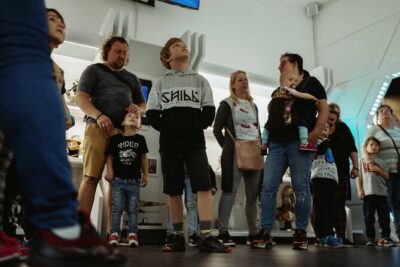
The museum offers activities for groups of adults and for families. That is useful because a technical museum can easily become tiring for younger children. Here, the subject itself gives the displays a playful quality, especially when an object demonstrates an optical trick or a moving-image effect.
An eight-year-old was able to enjoy the visit because the spaces included enough interactive material. That detail is worth taking seriously if you are planning a family day in Girona. The museum is not only for adults who already love film history.
You should still set expectations. This is an educational museum, not a full-day theme park. The activities support the exhibits, but the main purpose remains understanding the development of cinema. Older children and adults who ask questions about how things work will probably get the most from it.
I like the balance. You can read the information panels, study the devices, and use the interactive elements at your own pace. A family can move through the visit without turning it into a race from one activity to the next.
For adults, the museum also offers a quieter kind of pleasure. You can focus on the craftsmanship of the objects, the changes in technology, and the cultural reasons people kept searching for new ways to show pictures.
More entry tickets around Spain:
- Tabernas: MiniHollywood Oasys Entry Ticket & Optional Buffet
★ 4.5 · 268 reviews - English Tour Peñíscola Game of Thrones and Castle Tickets
★ 4.0 · 9 reviews - Peníscola Tour Castle Tickets & Game of Thrones locations
★ 4.1 · 6 reviews - Hobbiton Movie Set: Guided Tour Ticket
★ 4.9 · 8,167 reviews
Exhibitions, language help, and the online audioguide
Your ticket includes the permanent exhibition and any temporary exhibition included in the museum’s current program. That gives you more than a single display about the Tomàs Mallol Collection. Temporary material can add a changing angle to the museum’s wider subject, although the exact exhibition will depend on the date of your visit.
Printed information is available in English, French, Catalan, and Spanish. That is a practical advantage in Girona, especially if you are not comfortable reading Catalan or Spanish. The French option also received positive attention from a French-speaking family who found the explanations helpful.
The free audioguide is accessed through the Visitmuseum website. It can give you more information than the panels, which makes it worthwhile if you want extra context. It also lets you shape the visit around your interests rather than relying only on the printed text.
There is one small catch: because the guide is online, you may need your phone and a working connection. One person had difficulty using it. I would open the audioguide before entering the galleries, check that the page loads, and bring headphones if you prefer listening privately.
You do not need the audioguide to understand the museum. The printed brochure and exhibition panels provide a basic route through the subject. Still, the audio option can make the objects easier to place in context, especially when a device is unfamiliar.
The museum library and its wider role
The museum has a library with more than 4,000 titles. That figure shows the institution is intended to support research and continued study, not just a short sightseeing stop.
The available information does not specify exactly how the library is used by casual ticket holders, so I would not plan your visit around browsing its shelves. Think of it as part of the museum’s wider cultural and research role.
This is a useful distinction. A museum can display old equipment without doing much to explain it. A collection, library, research program, and public exhibition together provide a stronger base for understanding the subject.
The museum aims to serve local, national, and international audiences. Its activities and services are designed to encourage interaction with the history of cinema and visual shows. That means the visit fits well into a Girona itinerary for people who want something beyond churches, medieval streets, and food.
You do not need to be a film scholar to appreciate this work. The displays connect an everyday pleasure, watching moving images, to centuries of curiosity and technical trial.
How much time should you allow?
The ticket is valid for one day, but the supplied information does not state the exact time needed inside. I would treat this as a flexible museum stop rather than an attraction with a tightly timed schedule.
You can move through quickly if you want a short cultural visit, or slow down to read the panels, use the interactive displays, and listen to the audioguide. Families may need extra time because children will likely stop at the activities rather than follow a straight route.
The one-day validity is helpful if your Girona plans change during the day. You can check the available starting times before booking, but the experience is fundamentally a museum admission rather than a guided excursion with a set departure and return.
There is no transportation included, and no guided tour is described. You make your own way to the museum and explore independently. That gives you control, but it also means you should arrive ready to read and make your own connections between the objects.
Is $8 a good value?
At $8 per person, this is a strong-value museum ticket, especially because it includes both the permanent and temporary exhibitions. The printed information and online audioguide add useful support without an extra charge.
The value is strongest for three types of people. Film fans get a serious collection of early devices. Families get interactive material that can hold a child’s attention. Curious sightseers get a compact explanation of how cinema developed, rather than a room filled with famous names and movie memorabilia.
There is also a practical price warning. The first Sunday of the month may be a free-entry day. One person paid for a Sunday booking and discovered at the museum that admission was free that day. Before paying, check the current free-entry schedule directly with the museum.
That issue does not make the museum poor value. It simply means you should compare the $8 ticket with the date of your visit. If admission is free, use the opportunity. If not, the paid ticket remains reasonable for access to a permanent collection, temporary exhibition, printed material, and a free audioguide.
Accessibility and practical comfort
The building is prepared for people with reduced mobility and is wheelchair accessible. That makes this a more workable cultural stop for many different itineraries.
The provided information does not describe every detail of the route, toilets, seating, or lift arrangements, so you may want to contact the museum if you need a specific accessibility feature confirmed. The important point is that the building is prepared to accommodate people with reduced mobility.
The multilingual brochure is another practical help. You can choose English, French, Catalan, or Spanish, and the audioguide offers another way to receive information.
Free cancellation up to 24 hours before the visit and reserve-now, pay-later booking can help if your Girona schedule is still changing. Those policies are useful, but the more important planning step is checking the museum’s opening times and any free-entry date before you commit to a paid ticket.
Who will enjoy this museum most?
I would recommend the Museum of Cinema to:
- Families with school-age children, especially children who like machines, visual tricks, or hands-on exhibits.
- Film fans, who will appreciate seeing the technology that came before modern cinema.
- Museum lovers, who enjoy collections with a clear educational purpose.
- Visitors looking for an indoor Girona activity, particularly when you want a break from walking outdoors.
- People who prefer self-guided visits, since you can use the brochure, panels, and optional audioguide at your own pace.
I would be more cautious if you want a short visit focused only on famous films, actors, or movie costumes. This museum is about the technology and ideas behind moving images. It asks you to pay attention to the process, not just the final product.
Should you book the Girona Museum of Cinema?
Yes, if you want a thoughtful, affordable museum with unusual objects and a clear story. I especially recommend it for families and anyone curious about how cinema began. The interactive elements, multilingual information, and free audioguide make the visit easier to follow, while the Tomàs Mallol Collection gives it real substance.
Before booking, check whether your date falls on a free first Sunday of the month. If it does not, $8 is a fair price for the permanent and temporary exhibitions. Prepare to use your phone for the audioguide, but do not worry if it fails, since the museum also provides printed information and display panels.
FAQ
How much does admission to the Museum of Cinema cost?
The ticket costs $8 per person.
What does the ticket include?
Admission includes the permanent exhibition, the temporary exhibition, and an informative brochure in English, French, Catalan, and Spanish. A free online audioguide is also available.
How long is the ticket valid?
The ticket is valid for one day. You should check availability for the starting times connected with your chosen date.
Is the Museum of Cinema wheelchair accessible?
Yes. The building is prepared for people with reduced mobility and is wheelchair accessible.
Is there an audioguide?
Yes. The free audioguide is accessed online through the Visitmuseum website. It provides additional information beyond the exhibition panels.
Can I cancel the booking?
Yes. Cancellation is free up to 24 hours in advance for a full refund. Reserve-now, pay-later booking is also available.
Just added around Spain
- Trujillo: Game of Thrones Castle Tour★ 3.4 · 5 reviews
- English Tour Peñíscola Game of Thrones and Castle Tickets★ 4.0 · 9 reviews
- City of Italica and Game of Thrones★ 5.0 · 2 reviews
- Full Alcázar History Seville and introduction Game of Thrones Tour★ 4.0 · 34 reviews
- Game of Thrones filming locations, Itálica, Seville★ 4.5 · 27 reviews
- Game of Thrones Basque Coast Locations Tour from San Sebastian★ 5.0 · 5 reviews
- Malaga Film Adventure Star in a Wizards Movie★ 5.0 · 3 reviews
- Game of Thrones Girona Walking Tour★ 5.0 · 9 reviews
Museums, compared.

Travelling Galaxy Star Wars Interactive Exhibition
Read our review →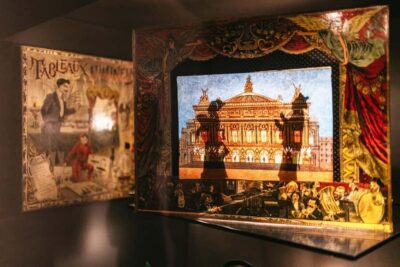

National Museum of Cinema Entry Ticket & Audio Guide
Read our review →
Lists this tour appears in