
REVIEW · LOMBARDY · HISTORICAL TOURS
Cinematic & Classical Organ Experience in Historic Church
Let the church become your concert hall. This one-hour organ experience in Milan pairs Italian classical music with film themes inside the historic Church of Sant’Angelo, also described as Santa Maria degli Angeli. I like the clear musical comparisons and the chance to hear one instrument suggest a full orchestra. I also like the setting: the old church gives every note room to linger.
The main thing to consider is the format. This is not a long sightseeing tour or a conventional concert with a large program. It is a guided musical demonstration, with short historical and architectural explanations between pieces. If you want quiet organ music from start to finish, the spoken context may feel like an interruption.
The price is $29 per person, a fair sum for a one-hour cultural experience in central Milan. The performance has earned a 4.7 rating from 22 bookings, with particular praise for the beautiful venue, excellent sound, and the emotional force of the pipe organ.
Key points to know before you book
- A 16th-century church becomes the acoustic setting: You hear the organ in the kind of large sacred space it was built to serve.
- The program links Italian classics with film music: Expect comparisons involving Interstellar, Ennio Morricone, and Game of Thrones.
- The organist explains the instrument as well as playing it: You learn how the pipes can suggest different sections of an orchestra.
- Maestro De Vita has drawn special praise: One January performance was noted for bringing digital music files to life on a real pipe organ.
- The experience lasts one hour: That makes it easy to fit before dinner, after sightseeing, or between other Milan plans.
- English and Italian support is available: The host or greeter can assist in either language, and the venue is wheelchair accessible.
Why this organ experience feels different from a standard concert
Milan has no shortage of churches, museums, and formal music events. This experience takes a narrower path. Instead of asking you to sit through a long recital without explanation, it uses music to show you how the church works as a building and how the organ works as an instrument.
That distinction matters. Many visitors recognize the sound of an organ but have little sense of what happens behind it. Here, the organist demonstrates its range and explains why people call it the King of Instruments. The point is not simply to hear impressive volume. You learn how a single performer can create sounds that suggest strings, brass, voices, and dramatic orchestral passages.
I like that approach for a first organ concert. You do not need a background in music, church architecture, or Italian composers. The program gives your ears something familiar to hold on to, then uses those familiar sounds to explain a less familiar instrument.
The modern references also make the experience easier to enter. A theme associated with Interstellar or Game of Thrones can feel more immediate than an unknown religious composition. Ennio Morricone adds a particularly Italian link, connecting the church to one of the country’s best-known film composers.
The result is part concert, part listening lesson, and part introduction to Milanese sacred space.
More history behind the scenes around Italy:
- From Messina : Savoca and Taormina; history, cinema and dreamlike views
★ 5.0 · 20 reviews - Game of Thrones & History of Dubrovnik Tour
★ 5.0 · 628 reviews - History and Movie Tour of Beaufort by Golf Cart
★ 5.0 · 562 reviews
Entering the historic church in Lombardy
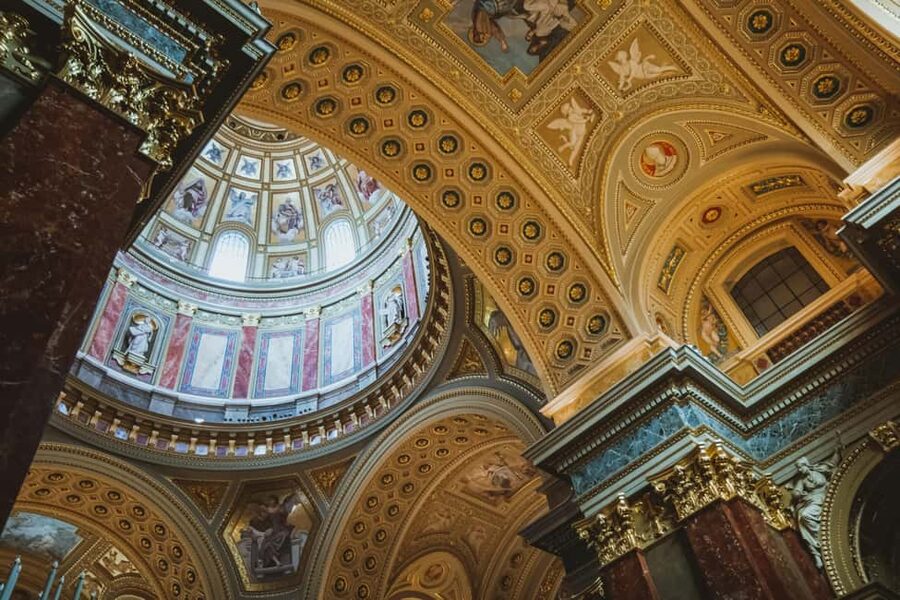
The setting is one of the strongest reasons to book. The church is presented as a monumental 16th-century venue, with architecture that gives the music scale and resonance. The information uses both Church of Sant’Angelo and Church of Santa Maria degli Angeli, so check the exact meeting point and name shown at booking before you set out.
Once inside, the building becomes more than a backdrop. Stone, height, and open interior space help the organ sound larger than it would in a small recital room. A soft passage can seem to hang in the air, while a full organ chord fills the church with weight.
You should also expect a spiritual atmosphere. This is a place of worship as well as a performance venue, and the program treats that setting with respect. The historical explanation helps connect the music to the art and architecture around you rather than treating the church as a convenient concert room.
The church’s atmosphere may be especially valuable if you have spent the day moving through Milan’s crowded streets. For one hour, the pace changes. You sit, listen, and pay attention to sounds that are easy to miss when you are rushing between major sights.
Do not expect a stage production with elaborate lighting or theatrical effects. The appeal is the building, the instrument, and the way the sound moves through the space.
Hearing the pipe organ act like an orchestra
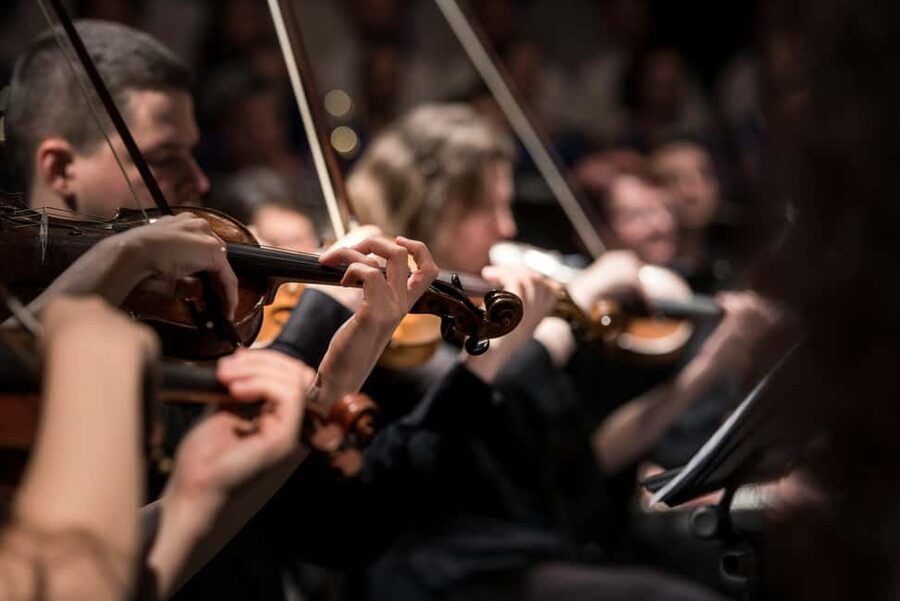
The central part of the experience is the organ demonstration. The organist shows how the instrument can shift from solemn and measured sounds to music with a much broader dramatic range.
This is where the program earns its price. A standard church concert might offer beautiful music but leave you wondering how the instrument creates so many different colors. Here, the performance explains the trick. Different stops and pipe sounds allow the organ to suggest several instrumental groups, giving one performer an unusually broad palette.
The effect is not the same as hearing a live orchestra. That is worth stating clearly. You will not hear separate violinists, cellists, horns, and percussionists responding to one another. You will hear one instrument producing layers of sound through pipes, controls, and the organist’s hands and feet.
Still, the comparison helps you listen. A solemn Italian classical passage reveals the organ’s ceremonial side. A film theme shows how it can build suspense, force, and emotion. The performance becomes a demonstration of what changes when the same instrument is used for different musical moods.
The strongest praise has focused on the sound itself. One booking described the sound quality as excellent, while another noted that the pipe organ moved the listener emotionally. That matches what you should look for here: not technical detail alone, but the physical feeling of sound filling a sacred building.
From Italian masters to Interstellar and Morricone
The music selection is designed for contrast. Italian classical works bring the church’s traditional role into focus. Film scores then show that the organ can handle music written for modern cinema, where atmosphere and emotional build matter as much as melody.
The inclusion of Ennio Morricone gives the program a clear Italian identity. His music is familiar to many people, even if they do not know the titles of every piece. Hearing that kind of material on a pipe organ can make you notice the structure differently. The melody may remain recognizable, but the church setting gives it a larger and more solemn character.
Interstellar brings another kind of comparison. Its music is associated with vast space, tension, and long musical lines. A historic church may seem far removed from a science-fiction film, but the organ has the power to connect those ideas. Its sustained notes and swelling volume can suggest the same sense of scale.
Game of Thrones adds a darker, more forceful option. This is useful because it demonstrates that the organ is not limited to slow religious music. It can sound grand, severe, and cinematic.
You should treat these titles as examples of the program’s style rather than a guaranteed full set list. The supplied details identify themes and composers, but they do not promise every piece at every performance. If one particular score matters to you, ask the provider before booking.
A few more filming locations around Italy worth a look
- Catania/Taormina: The Godfather Filming Locations Tour
★ 4.9 · 356 reviews - The Godfather Movie Tour
★ 5.0 · 275 reviews - Turin: Cinema Museum and Bus Tour
★ 4.4 · 200 reviews - Turin: National Museum of Cinema & Mole Antonelliana Tour
★ 4.6 · 170 reviews
The explanation between pieces adds real value
The historical material is brief but important. You learn why the music fits the building, how the architecture affects the sound, and why the organ has such a strong place in European church culture.
I prefer this kind of explanation to a long lecture. The music remains the main event, but you are given enough background to listen with more purpose. You begin to notice the relationship between the organ’s power and the church’s height, stone surfaces, and sacred design.
The host or greeter can work in English or Italian. The information does not promise a full live tour in both languages, so you should confirm the language arrangement if detailed commentary is essential to your visit. Still, the bilingual support makes the experience more approachable for international visitors.
This format suits curious people who want context without committing to a full academic presentation. It also works well if you are traveling with someone who is not normally interested in classical music. The film references offer an easy way into the program.
What the one-hour schedule means for your day
One hour is a practical length. You get enough time for a meaningful program without giving up half a day of sightseeing.
I would place it after a morning of museums or before an evening meal. It can also work as a calm break in the middle of a busy Milan schedule. Check the available starting times when booking, since the exact schedule is not fixed in the information provided.
The compact format has one limitation. The experience cannot provide an extensive tour of the church, a lengthy organ lesson, and a full concert all at once. You receive a focused selection of music and explanation, not a complete survey of Italian organ history.
That is a fair trade at $29. You are paying for access to a special venue, a live performance by a professional musician, and a guided way to understand the instrument. Compared with a major evening concert, the price is modest. Compared with simply entering a church for free, it is a more substantial purchase, but you receive an organized cultural program rather than a quick look around.
What past performances suggest about the quality
The available feedback is strongly positive, with a 4.7 rating from 22 verified bookings. The most repeated praise centers on three things: the music, the church, and the sound.
Several comments describe the venue as gorgeous or breathtaking. That tells you the architecture is not a minor detail. You are buying an experience shaped by the room itself.
The pipe organ’s emotional effect receives equal attention. One response from Luxembourg described the sound as deeply moving. Another praised the performance by Maestro De Vita, especially the way digital music files were transformed into live organ music. That detail is useful because it captures the program’s central idea: familiar modern sounds gain a new character when played on a historic instrument.
A Dutch booking praised the sound quality, while a Lithuanian response simply called the organ music wonderful. The comments are short, but they point in the same direction. If your priorities are audio quality, atmosphere, and a distinctive music program, this experience is a good match.
The small sample also means you should keep expectations sensible. Positive feedback does not tell you the exact seating arrangement, the size of the audience, or whether every favorite piece will be played. The experience is best chosen for its format and setting, not for a promise of one specific song.
Who will enjoy this most
I would recommend this to you if you enjoy:
- Classical music but want a simple introduction to the organ
- Film scores and the chance to hear them in a very different form
- Historic churches and the way architecture changes sound
- Short cultural activities that fit neatly into a city itinerary
- Quiet, reflective experiences rather than busy group entertainment
- Italian art and music presented with some explanation
It is also a smart choice for couples, solo visitors, and families with older children who can sit quietly for an hour. The program has enough familiar material to hold the attention of people who do not usually attend organ recitals.
You may want to skip it if you dislike classical music, church interiors, or guided explanation. It is not a walking tour, a sightseeing route, or a large-scale theatrical concert. The mood is focused and respectful.
Wear suitable clothing for a church setting. Tight clothing is not allowed, and smoking, bikes, alcohol, and drugs are prohibited indoors. Wheelchair access is available, which makes the experience easier to consider if mobility is part of your planning.
Is the $29 ticket good value?
For me, the value comes from the combination. A short organ recital alone might appeal mainly to dedicated music fans. A church visit alone may last only a few minutes. This experience joins the two and adds a clear explanation of what you are hearing.
At $29, you are not paying for a full-day excursion or a major concert hall production. You are paying for one carefully structured hour in a historic setting, with a professional performance and bilingual assistance. That is reasonable if you want something more personal and unusual than another standard Milan attraction.
The ticket becomes less attractive if you only want to see the church. It also may not suit you if you expect a long list of famous film themes. The program uses cinematic music as part of a wider comparison, not as a film-music concert alone.
Free cancellation up to 24 hours before the start and the option to reserve now and pay later reduce the risk of fitting it into a changing schedule. Those policies are useful in Milan, where museum times, meals, and train plans can shift.
Should you book this Milan organ experience?
Book it if you want a one-hour cultural pause with strong sound, a beautiful historic church, and a music program that links Italian classics to modern cinema. The organ demonstration gives the visit a purpose, and Maestro De Vita’s performance has received especially warm praise.
I would not book it simply because you need another attraction to fill time. Choose it because you are curious about how a pipe organ works, or because you like hearing familiar music in an unexpected setting.
For $29, it is a solid choice for music lovers, architecture fans, and anyone who prefers an authentic local encounter over a standard sightseeing stop. Just confirm the church name and meeting point, check the start time, and arrive ready to listen closely.
FAQ
Where does the organ experience take place?
It takes place in the historic Church of Sant’Angelo in Lombardy, also identified in the information as the Church of Santa Maria degli Angeli.
How long does the experience last?
The experience lasts one hour.
How much does it cost?
The price is $29 per person.
What music will be performed?
The program includes Italian classical music and cinematic themes, with examples including Interstellar, Ennio Morricone, and Game of Thrones.
Is this only a concert?
No. It combines live organ performance with explanations about the instrument, the church’s architecture, and the musical pieces.
Is the experience available in English?
Yes. The host or greeter can assist in English and Italian.
Is the church wheelchair accessible?
Yes, the experience is listed as wheelchair accessible.
Can I cancel my booking?
Yes. You can cancel up to 24 hours in advance for a full refund.
Can I reserve now and pay later?
Yes. The reserve now and pay later option lets you book without paying at the time of reservation.
Just added around Italy
- Turin: Cinema Museum and Mole Antonelliana Elevator Tour★ 4.7 · 22 reviews
- Lido Bike Tour: With a Local on the Island of Cinema★ 5.0 · 12 reviews
- Venice Film Tour: Explore Iconic Movie Locations★ 5.0 · 8 reviews
- Turin, National Cinema museum and Mole with elevator Guided tour★ 4.0 · 8 reviews
- National Museum of Cinema & Mole Antonelliana Guided Experience★ 4.5 · 12 reviews
- Private Tour for Kids & Families at the Turin Cinema Museum★ 5.0 · 5 reviews
- Montalbano TV Show Locations Tour from Siracusa★ 5.0 · 2 reviews
- The Godfather Movie Iconic Locations: Savoca & Forza D’Agrò small group tour★ 5.0 · 6 reviews
Historical Tours, compared.
History and Movie Tour of Beaufort by Golf Cart
Read our review →
Myrtle Beach History, Movies and Music Trolley Tour
Read our review →
Top-Rated Split Game of Thrones and History City Walk – Dracarys!
Read our review →
Lists this tour appears in