
REVIEW · FUKUYAMA · JAPAN FILM LOCATION TOURS
Explore the Nature that Inspired Ghibli Movies by Kayak (Half Day)
Ponyo country looks even better from the water. This three-hour kayaking trip around Tomonoura gives you a fresh view of the old port town that inspired Studio Ghibli’s Ponyo. I especially like the chance to paddle past small islands toward Abuto Kannon, plus the patient instruction from local guide Yasuhiro Murakami, known as Yasu. The tour also includes a break with drinks and snacks on some outings, which makes the pace feel more like a pleasant coastal trip than a workout.
The price is about $53.10 per person, a fair deal for a guided sea-kayak outing with equipment support and a small-group setting. You should, however, allow for changes: tides, sea conditions, weather, and the group’s fitness can alter the route. The guide’s English is limited, so you may need to rely on simple explanations, gestures, and a relaxed attitude.
Key Points Before You Paddle
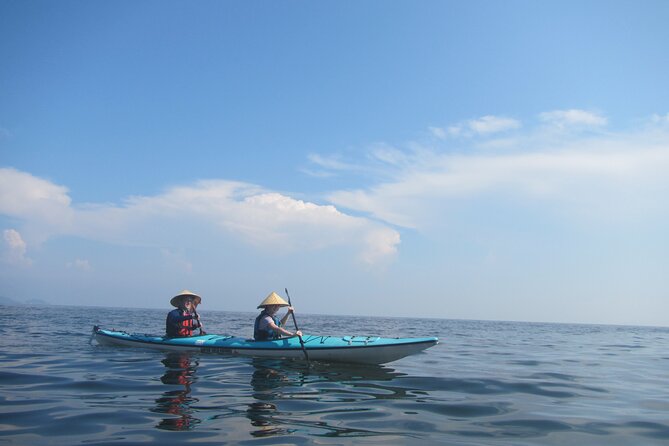
- Paddle from historic Tomonoura: Launch near the old Edo-period stone steps called the ganki and see the port from offshore.
- Choose between two coastal goals: Depending on tides and conditions, you may land at Abuto Kannon or visit Sensuijima Island.
- Beginner-friendly instruction: Yasu is praised for patient teaching, including with first-time kayakers and older participants.
- A small-group setting: The tour is advertised for up to 15 people, though the operating information also gives a maximum of 20, so confirm the final group size.
- Plan for wet conditions: Bring spare clothes, a towel, sun protection, drinks, and waterproof protection for your phone.
- Two useful departure times: Start at 9:00 in the morning or 13:30 in the afternoon, with the whole outing lasting about three hours and ten minutes.
Why Tomonoura Is Worth Seeing From the Sea
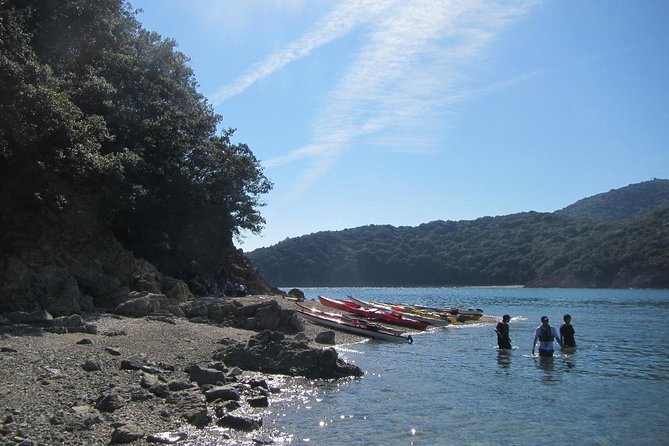
Tomonoura is an old port town on the Seto Inland Sea, and its character changes when you look back at it from a kayak. From land, you see lanes, houses, temples, and the harbor. From the water, you get the full curve of the shoreline, the islands beyond it, and the way the town sits beside the sea.
That setting helped inspire the seaside town in Studio Ghibli’s Ponyo. Fans should enjoy the connection, but you do not need to be a Ghibli expert to appreciate the outing. The main reward is not a themed attraction. It is the chance to experience the quiet coastal scenery that gave the animated town its feel.
Tomonoura also appeared as a filming location for Wolverine. That adds another small bit of movie history, although the kayaking itself remains focused on nature and the town’s waterfront rather than film locations.
The activity begins at Kayaker’s CAFE in Tomo, at Tomo-849 Tomochō, Fukuyama. You return there at the end, so the day is easy to organize around the same meeting point. The café connection is useful, too. Yasu is described as the guide, owner, and barista, and some outings include tea, coffee, or snacks during a shore break.
A few more filming locations around the world worth a look
- Hollywood Snorkel, Kayak & Paddleboard with Reefs and Sculptures
★ 5.0 · 24 reviews
The 9:00 or 13:30 Start at Kayaker’s CAFE
You can choose a morning departure at 9:00 or an afternoon start at 13:30. The sample schedule allows about an hour for the first stage, followed by the main paddle and a possible landing. In practice, the guide adjusts the route and timing to suit the tide, sea conditions, and the group’s physical condition.
Arrive ready to get on the water. A late arrival can be a real problem if the group has already left, especially when several customers are sharing the tour. Contact the operator ahead of time if you expect any delay.
The tour is suitable for participants over age three, but the moderate fitness requirement matters more than the minimum age. You need enough energy to paddle for part of the morning or afternoon, get in and out of the kayak, and cope with changing conditions. Beginners are welcome, but this is still an active outing, not a sightseeing boat ride.
The guide provides kayak shoes for rental, so include your shoe size when booking. Paddle jackets are available in the cooler months. You should still arrive with the right clothing, since the sea can make a warm day feel cooler and paddling can leave you wet.
Launching Beside Tomonoura’s Historic Ganki
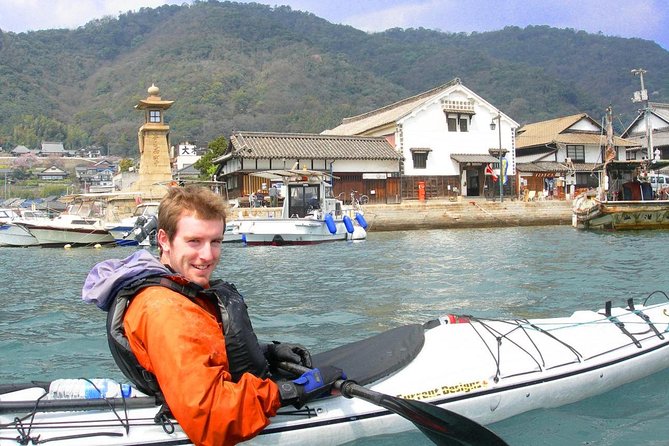
The route begins when the kayak is put into the water near the ganki, the old stone stairs that once connected the town directly with the sea. This is a fitting starting point. Tomonoura’s maritime character is not just something you view from a museum or street. You use the same waterfront as your way into the town.
Once you paddle away, look back toward Tomonoura. The town’s harbor, buildings, and shoreline form a picture that is hard to get from land. The view is especially useful for understanding the old port’s position beside the Seto Inland Sea.
Your guide gives basic instruction before and during the paddle. This is important if you have never used a sea kayak. Yasu has been praised for teaching beginners patiently and for adjusting to a slow pace. That makes the trip a good first sea-kayaking experience, provided you are comfortable with a moderate physical activity.
The English guidance is not fluent, so do not expect a long, polished lecture. Still, the practical information appears to come through, and simple explanations can be enough for learning how to paddle and follow the route. If you want detailed historical interpretation in English, this may not be the best match. If you want friendly help on the water, it looks more promising.
Paddling Along the Seto Inland Sea
The central part of the tour takes you along the coast toward either Abuto Kannon or Sensuijima Island. The exact route is not fixed, and that is both a strength and a limitation.
The strength is safety. The guide can respond to tides, wind, rain, sea conditions, and the ability of the group. A route that works on a calm day may not be suitable when the water changes. You should see the flexible plan as part of responsible guiding, not as a guarantee of a specific stop.
The limitation is that you cannot be certain which destination you will reach. If Abuto Kannon is your main reason for booking, understand that the temple visit depends on the tide and conditions. You may instead paddle toward Sensuijima Island, which still gives you views of the surrounding water and islands.
The trip has attracted first-time kayakers as well as older participants, including two women in their sixties who had little kayaking experience. That does not remove the physical demands, but it suggests the guide can offer a steady pace and practical assistance. Couples, solo visitors, and active families may all find the format appealing.
You will also want to protect your phone before launching. The operator specifically asks you to handle waterproofing yourself. A waterproof pouch or reliable dry bag is more useful here than trusting a phone case that only claims to resist splashes.
Same place, a completely different screen:
- From London: Harry Potter Warner Bros Studio Tour
★ 4.7 · 26,588 reviews - Magical London: Harry Potter Guided Walking Tour
★ 4.7 · 22,044 reviews - London: Warner Bros. Studio Harry Potter Tour & Branded Bus
★ 4.7 · 19,194 reviews - Edinburgh: Harry Potter Magical Guided Walking Tour
★ 4.8 · 11,944 reviews
Abuto Kannon, the Dramatic Tide-Dependent Stop
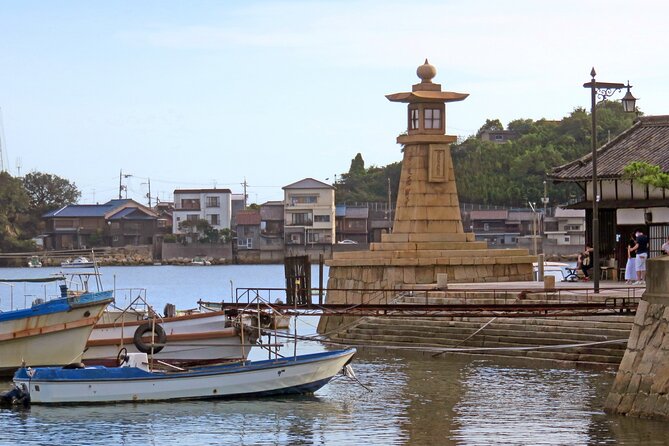
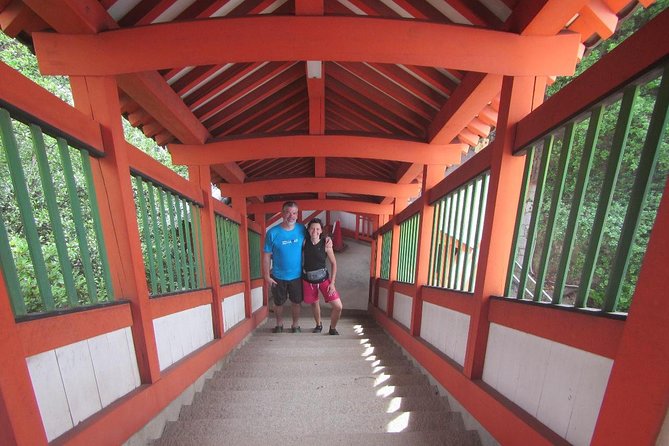
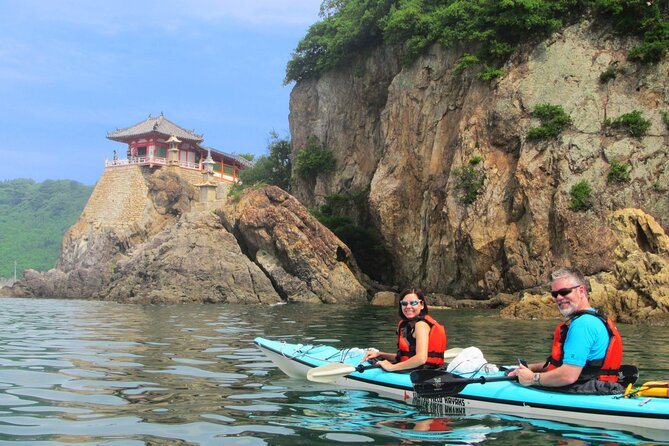
When conditions allow, the route heads toward Abuto Kannon, also known as Bandai-ji Temple in the supplied tour details. Its most striking feature is its position over the sea. From a kayak, you look up at the structure from an unusual angle, with the temple extending toward the water above you.
After landing, you may be able to enjoy a broad view of the Seto Inland Sea. The combination of temple, cliffside setting, open water, and small islands gives this stop a strong sense of place. It is the kind of destination that feels better reached under your own paddle power than approached by a quick vehicle stop.
The route has also offered chances to see nesting seabirds and marine life along the coast. These sightings are natural and cannot be guaranteed, but they add interest to the journey between Tomonoura and the temple.
Do not treat Abuto Kannon as a guaranteed appointment. Tides determine access, and the guide may choose another route for safety. If you need fixed sightseeing plans, schedule your day so the kayaking trip is not followed immediately by a nonrefundable train or attraction reservation.
Sensuijima Island as the Alternative Route
If the tide or sea conditions do not favor Abuto Kannon, the tour may head toward Sensuijima Island. This route offers the same basic pleasure: open views, a changing shoreline, and time on the water away from the streets of Fukuyama.
The information provided does not promise a detailed island walking program, so you should think of Sensuijima mainly as a coastal destination within the kayak route. The exact landing point and time can shift with conditions.
That flexibility may disappoint someone who has planned the entire day around one named location. For most people, though, the broader experience is the point. You are getting a guided paddle around Tomonoura, not a simple transfer to a monument.
The guide may adjust the route to match the group’s stamina. This is helpful for beginners, but it also means the trip can feel less ambitious than expected if the pace is slow. Ask at the start how far the group is likely to go and which destination seems most realistic that day.
The Shore Break, Photos, and Local Hospitality
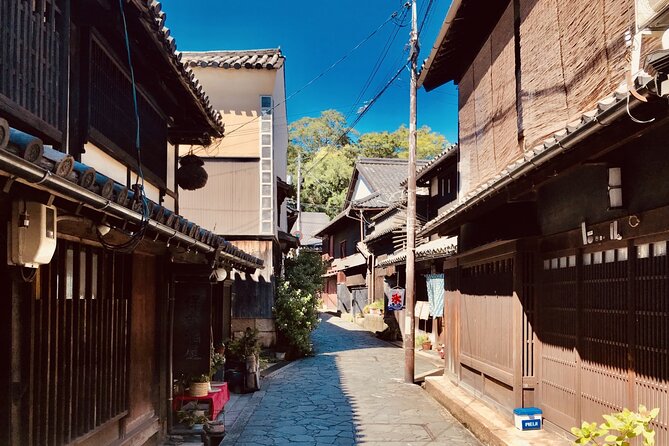
A break may include drinks, tea, coffee, or snacks from a Happy Box. Yasu has also prepared coffee on a small propane burner during an outing to a beach. These touches matter because a half-day paddle is more enjoyable when you have a chance to rest, warm up, or simply look around without holding a paddle.
Yasu is also known for taking photographs during the outing. That is a valuable service when you are busy managing your kayak and cannot safely use your own phone. You should still confirm how photos are shared, since the available information does not specify the delivery method.
Some participants have eaten with Yasu afterward at a traditional restaurant he recommended. Lunch is not presented as a standard part of the half-day package, so treat this as an optional suggestion rather than an included feature. It can be a nice way to extend the experience if your schedule allows.
The guide’s local connection is one of the tour’s strongest points. You are not simply following a route on a rental kayak. You can ask about Tomonoura, the sea, nearby sights, and places to eat. Keep your questions simple if English communication becomes difficult.
What to Wear in Each Season
The right clothing will make a noticeable difference. Kayaks sit on the water, and splashes are likely even on a gentle outing.
From June through October, wear clothes that can get wet. Swimwear under your clothing is recommended, along with a hat and sunglasses. Bring spare clothes and a towel so you are not stuck in damp clothing afterward.
In spring and fall, use quick-drying shirts, comfortable pants, and a nylon outer layer. A hat and sunglasses remain useful, and paddle jackets can be rented. Around April and May, conditions may vary, so layers are sensible.
From December through March, wear a quick-drying shirt, fleece or another middle layer, a nylon outer layer, warm flexible pants, a knit cap, and nylon gloves while kayaking. Bring a down jacket or another warm garment for the landing and return to shore.
You should also bring drinks, sunscreen, and waterproof protection for your smartphone in every season. Kayak shoes are available for rental, but provide your shoe size when reserving.
Price, Group Size, and Overall Value
At about $53.10 per person, this is a reasonably priced half-day activity. The value comes from the guided instruction, use of kayaking equipment, local guiding, and access to views that are difficult to get on foot. The chance of a temple or island landing adds more value than a short harbor paddle, even though the final route depends on conditions.
The small-group format is another plus. The main description gives a maximum of 15 people, while the additional operating details give a maximum of 20. That difference is worth clarifying before you pay. A smaller group generally means more room for questions and easier pacing, while a larger combined group may feel less personal.
The tour may be combined with other customers. If you book as a couple or solo visitor, you should expect that possibility rather than assuming a private outing. A private tour is not promised.
The average booking lead time is about 22 days. That suggests you should reserve ahead if your dates are fixed, especially if you want a particular morning or afternoon departure. Confirmation is sent within 48 hours, subject to availability.
The activity is nonrefundable and cannot normally be changed after payment. If the operator cancels for poor weather, you are offered another date or a full refund. The tour may proceed in light rain, but a sudden change on the day can still lead to a safety cancellation. The operator aims to contact you by 6:00 PM the previous day when an advance cancellation decision is made.
Who Should Book This Kayaking Trip
I would recommend this outing to you if you want active sightseeing, enjoy coastal scenery, or like seeing famous places from an unusual angle. It suits first-time kayakers who are willing to listen, paddle steadily, and accept a flexible route.
It is also a good fit if you are spending time in Fukuyama and want something away from major city sights. The trip offers a more personal connection with Tomonoura than a quick walk through town.
You may want to skip it if you dislike getting wet, need a guaranteed visit to Abuto Kannon, or prefer a highly polished English-language tour. It is also not ideal if your schedule cannot tolerate a variable end time.
Should You Book It?
Book this tour if your priority is a friendly, active morning or afternoon on the Seto Inland Sea, with a real chance to see Tomonoura from the water and reach Abuto Kannon or Sensuijima Island. The strongest reasons are Yasu’s patient beginner instruction, the unusual coastal views, and the simple local touches such as photos, snacks, and café hospitality.
Before paying, check the final group size, confirm the route expectations, and plan clothing for wet weather. If you can accept nature’s timetable and do not need perfect English commentary, this is a strong-value way to experience the Ghibli-connected coast around Fukuyama.
FAQ
Where does the kayaking tour begin and end?
You meet at Kayaker’s CAFE, Tomo-849 Tomochō, Fukuyama, Hiroshima 720-0201. The tour ends back at the same meeting point.
What departure times are available?
You can choose a 9:00 morning start or a 13:30 afternoon start. The activity lasts about three hours and ten minutes, though the end time can change with conditions.
Will the tour definitely visit Abuto Kannon?
No. The visit depends on tides, sea conditions, weather, and the group’s condition. The guide may take you toward Sensuijima Island instead.
Is this tour suitable for beginners?
Yes. A moderate fitness level is required, but the guide provides instruction. Yasu has taught first-time kayakers patiently, including participants with little previous kayaking experience.
What should I bring?
Bring drinks, spare clothes, a towel, sunscreen, and waterproof protection for your smartphone. Clothing should be able to get wet in summer, and warm layered clothing is needed in winter.
What happens if bad weather cancels the tour?
If poor weather causes the operator to cancel, you can choose another date or receive a full refund. The tour may proceed in light rain, and a sudden change in conditions can still lead to cancellation on the day.
Just added around the world
- Zion: Harry Potter-Inspired Zion Ghost Tour with Sunset View★ 5.0 · 8 reviews
- York: Game of Thrones Walking Tour★ 5.0 · 2 reviews
- Skopelos Island: Mamma Mia Filming Locations Tour★ 4.9 · 32 reviews
- Wellington: Lord of the Rings Filming Locations Tour★ 4.0 · 6 reviews
- Wellington: Half-Day Lord of the Rings Locations Tour★ 4.8 · 10 reviews
- Wellington: Lord of the Rings Half-Day Guided Tour inc Weta★ 5.0 · 5 reviews
- Volcano Movie – Experience the Latest Eruptions in Iceland★ 3.6 · 3 reviews
- Virtual reality movie – experience I AM LITHUANIA★ 4.4 · 5 reviews
Japan Film Location Tours, compared.
Warner Bros. Studio Tour Tokyo – The Making of Harry Potter
Read our review →
Samurai Movie Star Experience at Myokaku-ji Temple
Read our review →
Tokyo WB. Studio Tour Harry Potter’s Creation E-Ticket Optional
Read our review →
Tokyo Anime Adventure: Studio Tour, Drawing Class & Museum Visit
Read our review →
Osaka Cinematic Film experience Video + Photo (ONLY ONE BOOKING)
Read our review →
Hiroshima Lacquer Studio Tour & Workshop With a Gift
Read our review →Lists this tour appears in