REVIEW · LOS ANGELES · HOLLYWOOD AND CELEBRITY HOME TOURS
LA Walk of Fame 100 Years of Hollywood Tour By Junket
Hollywood’s best stories are hiding in plain sight. Junket’s 100 Years of Hollywood Tour turns a stretch of Hollywood Boulevard into a two-hour lesson in movie premieres, star power, old theaters, and celebrity oddities. I like the strong mix of famous sights and lesser-known stories, and I like the low $26 price for a professional guide and carefully researched facts. The main drawback is simple: you walk outdoors for about two hours, and Hollywood can be hot, tiring, and crowded.
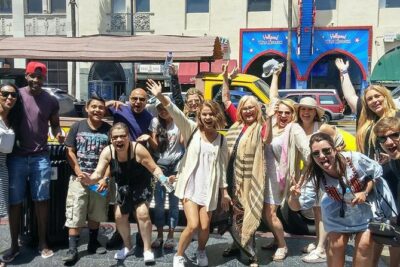
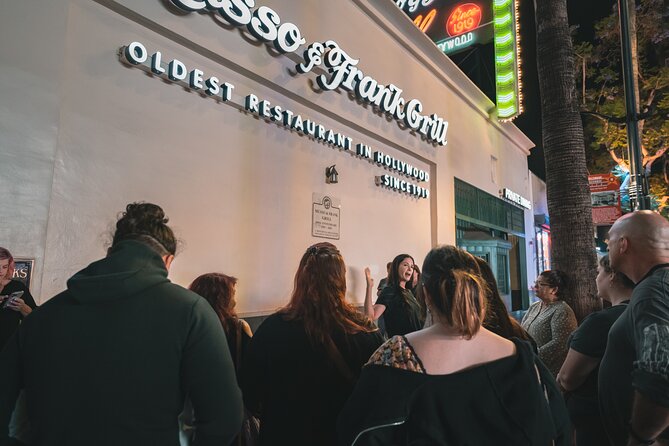
The tour begins at Musso & Frank Grill at 11:00 a.m. and ends about ten blocks east at 6801 Hollywood Boulevard, with a view of the Hollywood Sign. I especially like that the group can be as large as 25 but may feel much smaller. One booking became a private experience when only one person joined the guide, which made the tour more personal and relaxed.
Key details before you book
- Charlie Chaplin’s roast-lamb-kidney story gives the tour an unusual opening, far removed from the usual red-carpet talk.
- The Egyptian Theatre marks the site of Hollywood’s first movie premiere, with a name tied to the 1920s King Tut craze.
- The route covers acting, makeup, architecture, and movie theaters, not just the Walk of Fame stars underfoot.
- The Magic Castle and Ennis House add a strange, private side of Hollywood, including a members-only magic club and an uninhabitable Frank Lloyd Wright house.
- The $26 cost is good value if you want context and storytelling rather than a quick stroll past celebrity names.
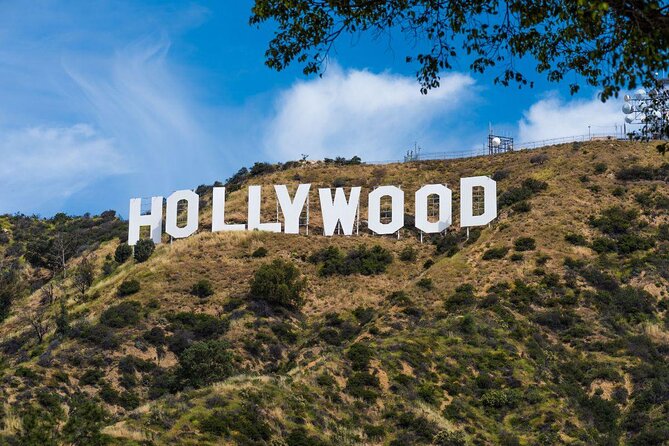
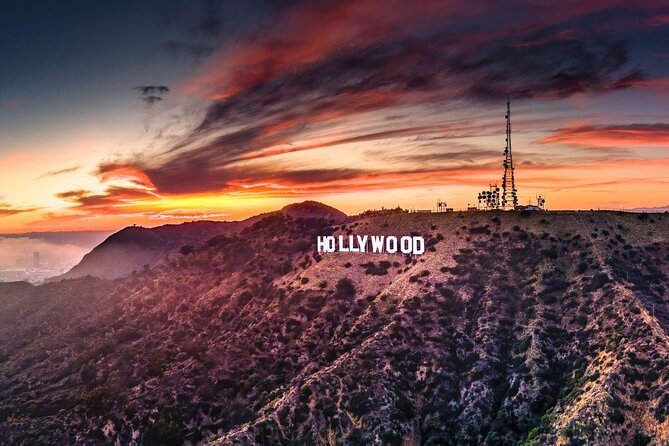
- The final Hollywood Sign view comes from Hollywood Boulevard, not from a hike or a special overlook.
Why this Hollywood walking tour is worth considering
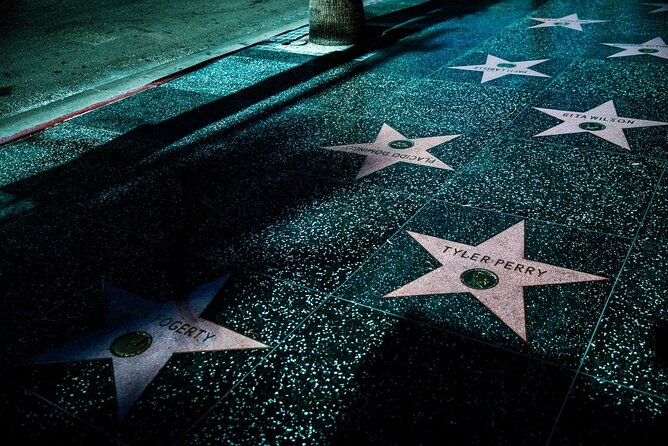
Hollywood Boulevard can be confusing on your first visit. The sidewalk stars are famous, but they do not explain why the area mattered, how the movie business grew here, or why certain buildings still draw attention.
That is where a guide helps. Instead of simply pointing out names, this tour connects restaurants, theaters, acting schools, beauty businesses, hotels, and private clubs. You get a picture of Hollywood as a working town built around performance and publicity.
The route lasts about two hours. That is long enough to cover a good number of stops without turning into an all-day march. It is also short enough to fit around other plans in Los Angeles.
The group limit is 25 people. That is not a tiny walking party, but it is far easier to hear one guide than on a large bus tour. If bookings are light, the experience may be especially personal. One person described taking a second Junket tour in the same week and again finding that only the guide and the customer were present. That kind of small group can make it easier to ask questions and linger over the stories that interest you.
The tradeoff is the weather. Walking through Hollywood in the sun can be tiring, especially if you are not used to Los Angeles heat. Wear comfortable shoes, bring water, and plan on being outside for the full tour.
More Hollywood and Celebrity Home Tours in Los Angeles
- Full-Day Iconic Sights of LA, Hollywood, Beverly Hills, Beaches and More
★ 5.0 · 6,147 reviews - Warner Bros. Studio Tour Hollywood
★ 4.5 · 5,246 reviews - Hollywood, Beverly Hills & Celebrity Homes Tour by Open Air Bus
★ 5.0 · 2,557 reviews
Starting at Musso & Frank Grill with Charlie Chaplin
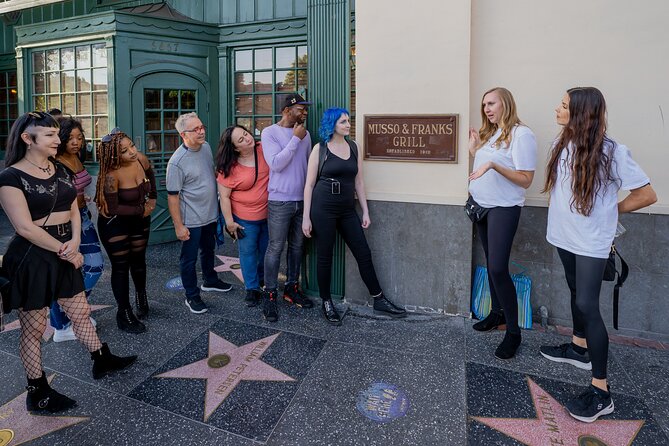
The tour starts outside Musso & Frank Grill at 6667 Hollywood Boulevard. This is a useful meeting point because it puts you directly in old Hollywood rather than beginning at a generic transit stop or shopping corner.
The opening story reaches back about a century, to a time when Hollywood was still developing its public image. Charlie Chaplin is part of the tale, racing down a dirt road for a plate of roast lamb kidneys. It is an odd, memorable detail, and that is exactly why it works.
You quickly get a sense of the tour’s approach. This is not only a parade of famous names. The guide uses small, sometimes funny details to show how celebrity culture grew from real businesses, working performers, and places where people ate, acted, and met.
Musso & Frank also gives the beginning a strong sense of place. You are not starting with an abstract introduction to the film industry. You are standing on Hollywood Boulevard, near a restaurant linked with the area’s old entertainment culture, and then walking into the story.
The Egyptian Theatre and Hollywood’s first premiere
The Egyptian is one of the route’s most important stops. It was named during the period of King Tut fever, when ancient Egyptian imagery captured public attention after the discovery of Tutankhamun’s tomb.
The theater also has a major claim in Hollywood history: it hosted the first movie premiere. That makes the building more than a decorative photo stop. It helps explain how Hollywood learned to turn film screenings into public events.
A premiere is not just a showing of a movie. It is a performance around the movie, complete with a special venue, invited stars, press attention, and a sense that the audience is taking part in something important. The Egyptian helped establish that tradition.
For you, this stop is useful because it gives context to the red-carpet culture still associated with Hollywood. The point is not only that the building looks distinctive. It helped shape the way the film business presented itself to the public.
The acting academy linked to Brando and Ruffalo
The tour also visits a renowned acting academy whose former students include Marlon Brando and Mark Ruffalo. This stop shifts the story from movie buildings to the training that produces performers.
That change of focus is welcome. Hollywood is often reduced to stars, premieres, and famous addresses. An acting school reminds you that performance is also a craft, with people spending years learning how to use their voice, body, timing, and emotions.
The connection between Brando and Ruffalo is especially useful. They belong to different generations, yet both passed through the same tradition of serious actor training. You can see how Hollywood’s influence extends beyond film sets into schools that shape the profession.
The tour does not promise a class or a visit inside the academy. Think of it as an exterior stop with a strong story attached. If you want to understand how famous actors developed their careers, this adds more value than another generic celebrity photo opportunity.
More Hollywood and celebrity home tours around Los Angeles:
- Full-Day LA Tour: Santa Monica, Hollywood and Beverly Hills
★ 5.0 · 2,431 reviews - Hollywood and Celebrity Homes Bus Tour
★ 4.5 · 2,074 reviews - Hollywood Open Bus Tours
★ 4.5 · 1,801 reviews - Los Angeles: Hollywood & Celebrity Homes Open-Air Bus Tour
★ 4.1 · 1,624 reviews
Max Factor and the business of American beauty
The former makeup store tied to Max Factor offers one of the route’s most practical stories. Max Factor’s work helped change American beauty standards, and the building shows how makeup became a major part of the movie industry.
Early screen performers needed more than acting ability. Lighting, film stock, hairstyles, and cosmetics all affected how a face appeared on screen. Makeup could help define a character, correct technical problems, and create a look that audiences would remember.
This stop also broadens the tour beyond actors and directors. Hollywood depended on a large network of specialists, and beauty professionals played a major role in shaping the public image of stars.
I like this part because it connects film history with everyday culture. The influence of movie makeup did not stay inside theaters. It helped shape ideas about glamour and presentation across the United States.
Again, the value comes from the explanation. On your own, you might pass the former store without knowing why it mattered. With the guide, an ordinary-looking building becomes part of a larger story about technology, commerce, and celebrity.
The former playhouse that screened Citizen Kane
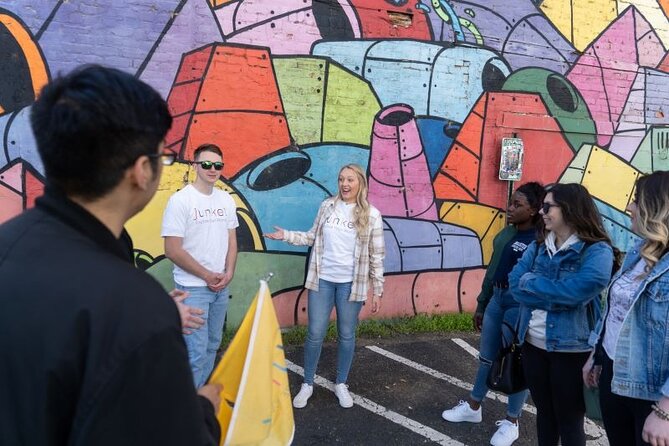
Another stop is a building that began as a venue for live plays. Its first movie screening was Citizen Kane, a film still associated with bold storytelling and arguments about power, fame, and the press.
That detail gives the building a clear before-and-after story. Hollywood did not begin with purpose-built movie palaces everywhere. Existing performance spaces adapted as film became more important.
Citizen Kane also makes the stop more than a theater anecdote. The movie remains famous for its ambitious style and controversial reputation, so its first screening in this building links the physical site to a major moment in American cinema.
You should not expect a full film seminar during a two-hour walking tour. The guide’s job is to give you enough context to see the building differently, then keep the route moving. If you want a longer discussion of Citizen Kane, you will need to do that separately.
Handprints, hoofprints, and pawprints at the Chinese Theatre
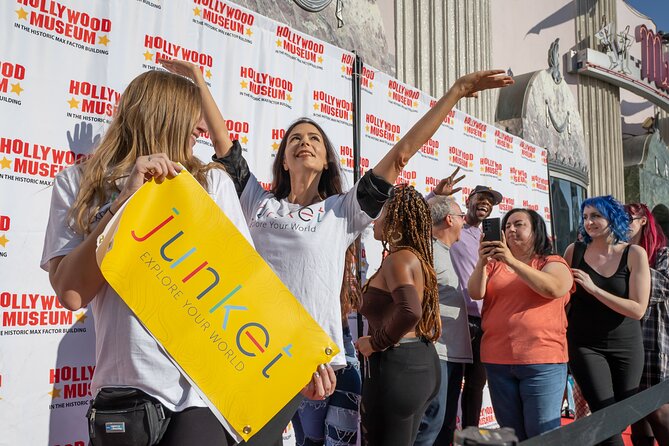
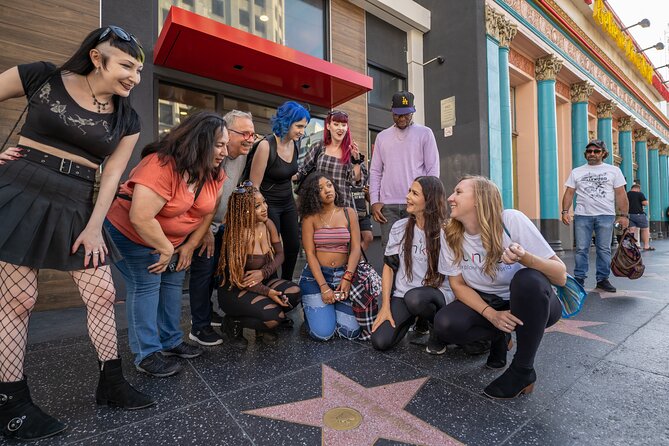
The tradition of leaving handprints in the sidewalk is one of Hollywood’s best-known rituals. This tour explains where that tradition began and points out that the cement includes more than human hands and shoes.
Hoofprints and pawprints add a touch of Hollywood silliness. They also show how the entertainment business turns recognition into a public ceremony. The stars are not only honored in names on the Walk of Fame. Their physical marks become part of the pavement.
This is likely one of the busier areas on the route, so the guide’s direction matters. You may need to pay attention to the group and watch where you step while looking down at the prints and up at the theater.
The stop works well for first-time visitors because it combines an instantly recognizable attraction with a small surprise. Even if you have seen photographs of the handprints, the story about the tradition gives the site more meaning.
The hotel connected to the first Academy Awards
The iconic hotel on the route has been a playground for stars since it hosted the first Academy Awards in 1929. That date gives you a useful reminder of how young the Academy Awards tradition really is.
Today, the awards ceremony is a huge global event. In its earliest form, it was tied to a hotel and a much smaller film industry. The building helps connect the polished modern ceremony with Hollywood’s early years.
Calling the hotel a playground for stars captures another side of celebrity culture. Hotels were places where performers stayed, celebrated, met colleagues, and became part of the public mythology surrounding Hollywood.
You will view the hotel as part of the walking route rather than as an accommodation package. The tour does not include food, drinks, or a hotel stay, so treat this as an exterior history stop.
The Magic Castle and Hollywood’s private side
The Magic Castle brings a different kind of fame to the route. It is a members-only club for magicians, though a stay can be arranged for a price.
That detail makes the stop unusual. Most Hollywood tours focus on actors, directors, and studios. Here, the story shifts to illusionists and a private club with its own rules.
The Magic Castle also shows how Los Angeles entertainment extends beyond movies. Magic has its own professional world, venues, traditions, and audience. You may not enter during the walking tour, but learning about the club adds variety to the day.
Do not assume your tour ticket includes admission or a visit inside. The supplied details describe the club as members-only and note that a stay can be arranged at an additional price. The attraction here is the story and the setting.
Frank Lloyd Wright’s uninhabitable Ennis House
The Frank Lloyd Wright house is perhaps the strangest architectural stop. Wright designed it, but the house is sadly uninhabitable because of its design.
That fact gives the guide plenty to discuss. Famous architecture can be beautiful, important, and impractical at the same time. A building does not need to function well as a normal home to become a notable piece of Los Angeles design history.
This stop is a good reminder that Hollywood’s appeal is not limited to movie stars. The city also attracts architects and artists who create unusual spaces. Even when a design fails as a comfortable residence, it can still influence how people think about buildings.
You should expect to view the house as part of the route, not to explore its interior. Its value lies in the story of the design and the tension between architectural ambition and everyday use.
Ending with the Hollywood Sign from Hollywood Boulevard
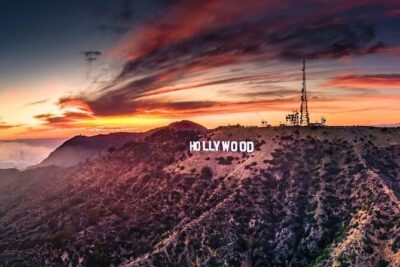
The tour ends at 6801 Hollywood Boulevard, where you can see the Hollywood Sign. This is not a sign-hike experience, and you are not promised a close-up viewpoint from the hills.
That distinction matters. If your goal is a long hike or a dramatic overlook, choose a different activity. If you want a convenient final view connected to the boulevard, this ending works well.
The sign gives the tour a clean finish. You begin with Hollywood’s early restaurant and theater culture, then move through actors, makeup, film screenings, celebrity ceremonies, magic, and architecture. You end with the image that has come to represent the area around the world.
It is also a practical endpoint. The tour finishes on Hollywood Boulevard rather than returning you to Musso & Frank Grill. You can continue exploring from there, provided you remember that the tour itself does not include transportation, food, or drinks.
Price, pace, and physical effort
At $26 per person, this is a reasonable price for a two-hour guided walk. You are paying for a professional guide and researched historical information, not for admission to a theater, hotel, club, or private house.
That distinction helps you judge the value. If you only want to see the Walk of Fame and take photographs, you can do that without paying. The tour earns its price by explaining what you are looking at and adding stops you might otherwise overlook.
The route requires a moderate level of physical fitness. You should be comfortable walking outdoors for roughly two hours, with no promise of a seated break built into the experience.
Wear supportive shoes and plan for sun. The booking information does not include meals or drinks, so bring what you need for the walk. Service animals are allowed, and the meeting area is near public transportation.
The tour is offered in English and uses a mobile ticket. Confirmation arrives within 48 hours of booking, subject to availability. The experience is usually booked about 16 days ahead, so I would not wait until the last minute if your dates are fixed.
Free cancellation is available up to 24 hours before the start time. Inside that window, the amount paid is not refunded, and changes are not accepted.
Who should book this Hollywood tour?
I would recommend it to first-time visitors who want a structured introduction to Hollywood Boulevard. It also suits film fans who enjoy old theaters, early premieres, acting schools, and the machinery behind celebrity culture.
The tour is a good choice if you prefer stories to shopping. It includes some famous sights, but it also spends time on makeup, architecture, magic, and odd details such as animal prints.
It may suit solo visitors particularly well. A group of one or a few people can make the experience feel almost like a private walk, though you should not count on that happening every time.
I would be more cautious if you dislike walking in warm weather, need frequent seating, or want to enter every building. Most of the value comes from seeing the places and hearing their stories from outside.
FAQ
How long is the LA Walk of Fame 100 Years of Hollywood Tour?
The tour lasts approximately two hours.
What time does the tour start?
The tour starts at 11:00 a.m.
Where does the tour begin?
The meeting point is Musso & Frank Grill at 6667 Hollywood Boulevard, Hollywood, California 90028.
Where does the tour end?
The tour ends at 6801 Hollywood Boulevard, with a view of the Hollywood Sign from Hollywood Boulevard.
How much does the tour cost?
The listed price is $26 per person.
Is the tour offered in English?
Yes. The tour is offered in English.
Is food or drink included?
No. Food and drinks are not included.
How many people can join the tour?
The maximum group size is 25 people.
Can I cancel for a full refund?
Yes. You can cancel at least 24 hours before the start time for a full refund. Cancellations or changes made within 24 hours are not refunded or accepted.
Should you book it?
Book this tour if you want Hollywood explained rather than simply photographed. For $26, you get a compact route through theaters, acting, makeup, celebrity ceremonies, magic, architecture, and the Walk of Fame area, with a final view of the Hollywood Sign.
Skip it if you want a private car tour, a sign hike, or entry into the featured buildings. For most first-time visitors with two hours to spare, though, this is a practical and fairly priced way to put Hollywood Boulevard into context.
More Location Walks around Los Angeles
- Hollywood Stars Tour: Walk of Fame, Celebrity Homes, Sunset Strip
★ 4.0 · 341 reviews - Haunted Hollywood Walking Tour: True Crime and Creepy Tales
★ 5.0 · 299 reviews - Los Angeles: Hollywood Sunset Walking & Hiking Tour
★ 5.0 · 230 reviews - LA: Walk of Fame, Hollywood Sign & Beverly Hills Tour
★ 4.9 · 179 reviews
Just added around Los Angeles
- Hollywood and Beverly Hills Bus Tour★ 5.0 · 2 reviews
- West Hollywood Food Tour★ 4.5 · 54 reviews
- Warner Bros. Studio Tour & Hop-on Hop-off Bus Tour Package★ 3.5 · 55 reviews
- Total Hollywood Experience with Walk of Fame and Celebrity Homes Tour★ 4.0 · 3 reviews
- Universal Studios Hollywood & Celebrity Homes Tour Package★ 3.5 · 46 reviews
- The Ultimate Hollywood Tour★ 5.0 · 8 reviews
- Lost Souls of Hollywood Blvd: a Smartphone Audio Ghost Tour★ 4.0 · 4 reviews
- Hollywood: the Real Walking Tour★ 5.0 · 26 reviews
Hollywood and Celebrity Home Tours, compared.
Full-Day Iconic Sights of LA, Hollywood, Beverly Hills, Beaches and More
Read our review →
Hollywood, Beverly Hills & Celebrity Homes Tour by Open Air Bus
Read our review →
Full-Day LA Tour: Santa Monica, Hollywood and Beverly Hills
Read our review →